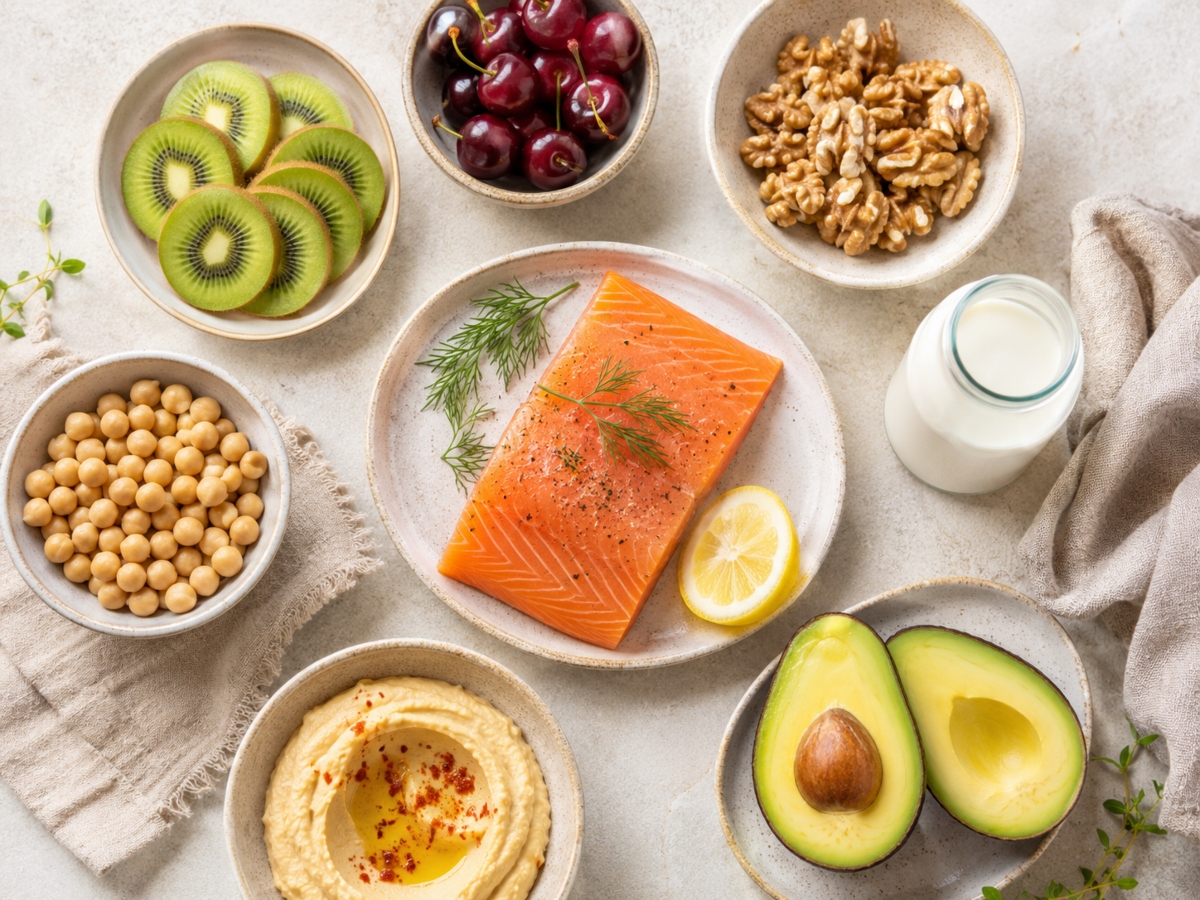
7 Best Foods for Sleep & Exactly When to Eat Them
If you could eat one food tonight and instantly sleep better…That would be pretty amazing, right?
Unfortunately, sleep doesn’t work quite that way.But here’s what is interesting:
What you eat can matter for sleep, and so can when you eat it.
And that second part is what most “best foods for sleep” lists leave out. Your sleep-wake cycle follows a daily rhythm.
Food is one of the signals that can help reinforce that rhythm, which means the question isn’t only:
“What should I eat before bed?”
It’s also:
“What should I eat throughout the day, and when?”
That’s why I devote an entire chapter of The Sleepdemic Solution to 15 sleep-supporting foods and how to time them.
But you don’t need to wait to start. Here are seven of my favorites.
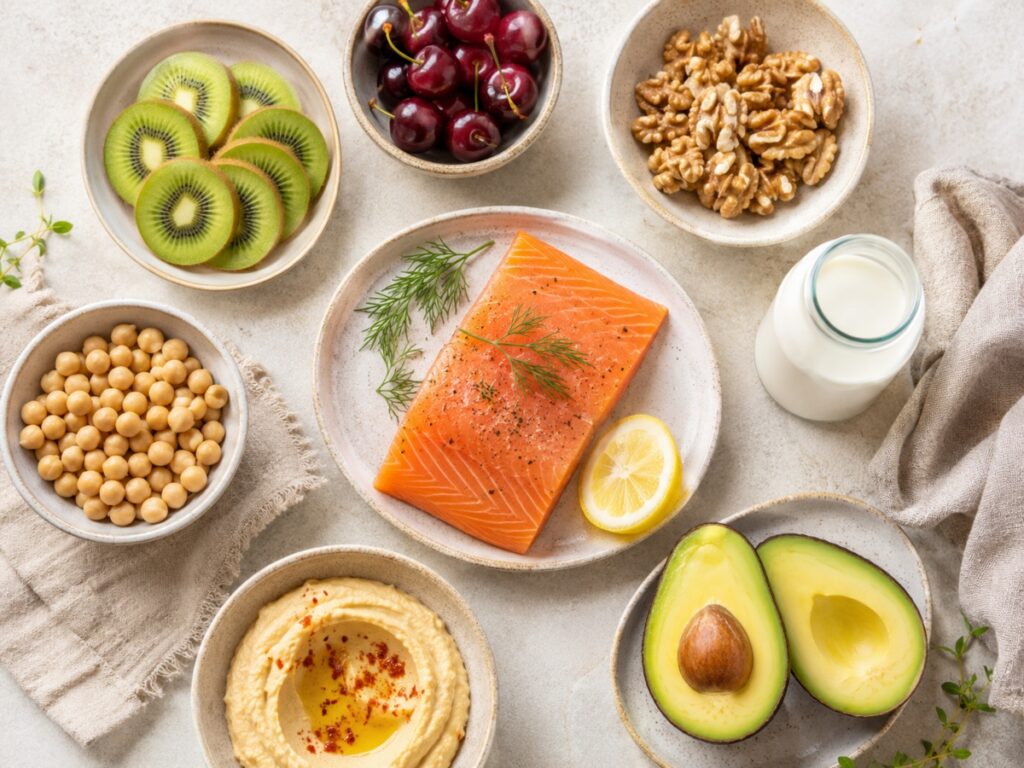
1. Kiwi
If you’re searching for foods that help you sleep, kiwi deserves a spot near the top of your list.
Kiwi provides antioxidants and naturally occurring compounds associated with sleep regulation.
Small studies have found improvements in sleep onset, sleep duration and nighttime waking when kiwi was eaten regularly before bedtime.
When should you eat kiwi for sleep?
About an hour before bed.
And you don’t have to make this complicated. Try sliced kiwi on its own or add it to Greek yogurt for a balanced evening snack.
Simple. Realistic. And a whole lot more enjoyable than another complicated nighttime wellness routine.
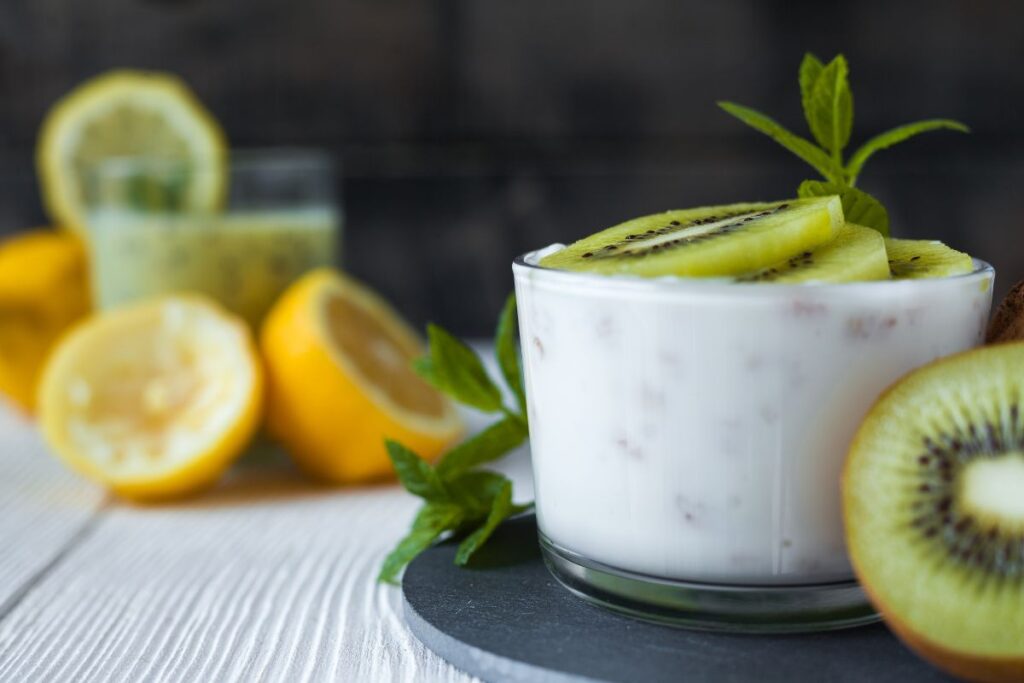
2. Tart Cherries
Tart cherries are probably one of the most recognizable foods associated with sleep.
Why? Because they naturally contain melatonin. Research on tart cherry juice suggests it may support sleep duration and quality for some people.
When should you have tart cherries?
In the evening or before bed.
But here’s where people can go wrong:
More isn’t automatically better.
You don’t need to pour an enormous glass of juice right before lying down. A small, intentional serving can fit into an evening routine without turning your bedtime snack into another full meal. That’s a theme you’ll hear from me again and again:
Use food strategically. Don’t overcomplicate it.
3. Walnuts
Walnuts may not get as much attention as tart cherries, but they’re one of my favorite sleep-supporting foods. They bring several useful nutrients together in one package, including healthy fats, magnesium and melatonin.
When should you eat walnuts?
With dinner or as part of a small evening snack.
Try adding chopped walnuts to:
- Greek yogurt
- Oatmeal
- Fruit
One thing I wouldn’t recommend? Sitting down in front of the TV with the entire bag. Because intentional eating matters too.
4. Salmon
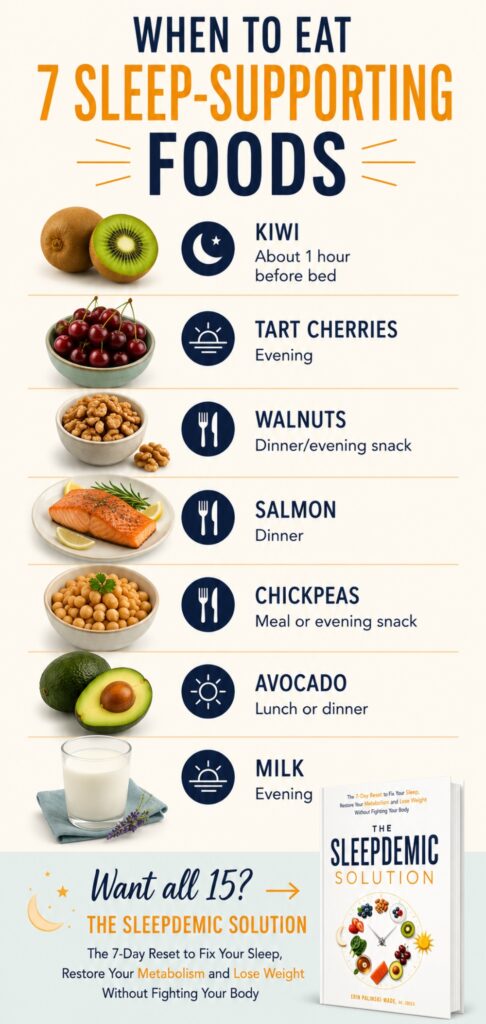
Salmon gives you omega-3 fatty acids and vitamin D, nutrients that have been studied for their relationship with sleep quality and duration.
What’s the best time to eat salmon?
Dinner.
Pair it with a fiber-rich carbohydrate and vegetables for a balanced meal that can also support steadier blood sugar heading into the evening. And notice something important here:
Salmon isn’t a “bedtime snack.”
That’s because not every food that supports sleep needs to be eaten five minutes before your head hits the pillow. Your body is paying attention to what happens all day.
5. Chickpeas
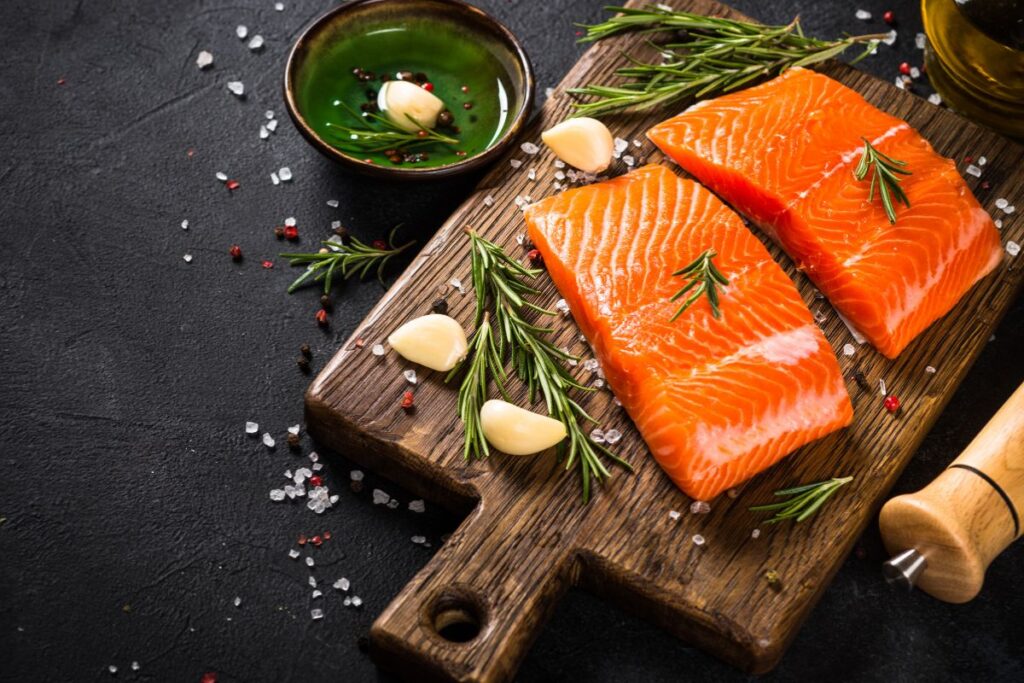
Chickpeas provide plant-based protein, fiber, vitamin B6 and other nutrients involved in serotonin and melatonin pathways.
They’re also useful because that combination of protein and fiber can make a meal or evening snack more satisfying.
An easy way to eat them:
Try a small serving of hummus with:
- Whole-grain crackers
- Sliced vegetables
- Or both
No trendy sleep supplement required. Sometimes regular food can do a pretty great job.
6. Avocado
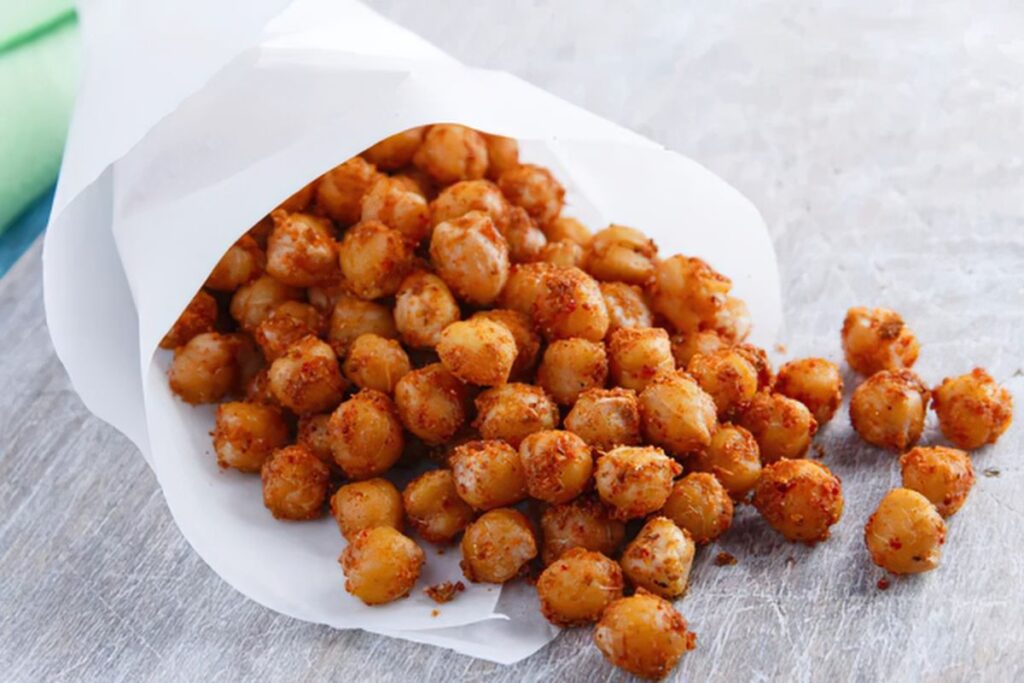
Avocado is a source of magnesium and heart-healthy fats, making it an easy food to work into a sleep-supportive eating pattern.
Magnesium is involved in nervous-system and sleep regulation, which is one reason magnesium-rich foods show up repeatedly in conversations about nutrition and sleep.
Best timing:
Lunch or dinner.
And this is where I want to bust one of the biggest misconceptions about “sleep foods”:
You do NOT have to save all of them for 9 p.m.
In fact, I don’t want you thinking about sleep nutrition only at bedtime. That’s missing the bigger picture.
7. Milk
Turns out Grandma may have been onto something with that glass of warm milk.
Milk provides tryptophan and naturally occurring melatonin, along with nutrients including vitamin D when fortified.
Best timing:
Evening.
And there’s another piece here that has nothing to do with nutrients.
If a warm drink becomes a consistent part of your bedtime routine, the ritual itself may also serve as a cue that your day is winding down. Your body loves signals. And consistent signals matter.
The Biggest Mistake People Make With Foods for Sleep
Most people ask:
“What’s the best thing to eat before bed?”
But your body isn’t only paying attention to the 30 minutes before you fall asleep.
It’s paying attention all day.
That’s why I like to think about sleep-supporting nutrition in three parts:
Morning: Tell Your Body It’s Daytime
Use food, light and a consistent routine to send strong daytime signals.
Afternoon: Protect Your Energy
Avoid getting trapped in a cycle of skipping meals, crashing and scrambling for quick energy later.
Evening: Start Shifting Toward Sleep
Choose foods and habits that support relaxation and help signal that the day is coming to an end.
This is a completely different approach from desperately searching Google at 10:30 p.m. for a food that will “knock you out.”
And in my experience, it’s a much more useful one.
Please Don’t Eat All 7 Tonight
Seriously. You don’t need to run to the grocery store and come home with kiwi, tart cherry juice, walnuts, salmon, hummus, avocados and a gallon of milk.
Pick one.
Add kiwi to your evening snack. Make salmon for dinner. Sprinkle walnuts onto yogurt. Try hummus instead of a sugary nighttime snack.
Small changes repeated consistently are much more useful than chasing one “perfect” sleep food. That’s the approach I want you to take throughout The Sleepdemic Solution.
No perfection. No extreme rules. Just practical changes that help your body get more consistent signals.

Want All 15 Sleep-Supporting Foods?
These are just 7 of the 15 foods I break down inside The Sleepdemic Solution.
And I don’t simply tell you what foods to buy.
I explain:
- When to eat each food
- Why timing matters
- How meal timing connects with your body’s circadian rhythm
- How blood sugar and energy fit into the sleep equation
- How to put everything together inside my practical 7-Day Reset
Because better sleep isn’t about finding one miracle ingredient.
It’s about giving your body the right signals at the right time.
And that’s exactly what I’ll teach you how to do.

Frequently Asked Questions About Foods for Sleep
There isn’t one single “best” food for everyone. Foods such as kiwi, tart cherries, walnuts and milk can fit into a sleep-supportive eating pattern, but your overall meal timing and eating pattern matter too.
Small studies have found improvements in sleep onset, duration and nighttime waking when kiwi was eaten regularly before bedtime. In my book, I break down kiwi along with 14 additional sleep-supporting foods and how to time them.
Tart cherries naturally contain melatonin, and research on tart cherry juice suggests it may support sleep duration and quality for some people.
No. This is one of the biggest misconceptions about eating for sleep. Some foods make sense in the evening, while others—like salmon or avocado—can be eaten earlier in the day. Your overall daily rhythm matters.
No. Start with one or two foods that naturally fit your routine. Consistency matters more than trying to create a “perfect” sleep diet overnight.