
Protein Maxxing with Cottage Cheese: High-Quality Protein Made Easy
Do you really need to “protein max”? The trend has taken over social media, but the real value isn’t eating more protein, it’s choosing higher-quality protein that actually supports muscle, metabolism, blood sugar, and satiety. And that’s why cottage cheese is finally having the moment it deserves.
As one of the most versatile sources of high-quality protein, cottage cheese offers an affordable option that pairs perfectly with savory or sweet meals and snacks. Let’s take a closer look at what protein maxxing really means and how much protein you truly need each day. Plus, I will be sharing my favorite simple, high-protein cottage cheese dessert recipe you will love!

This blog has been sponsored by Daisy Brand Cottage Cheese. As always, all opinions are my own.
What is Protein Maxxing?
The term ‘protein maxxing’ has been gaining traction on social media, encouraging a high protein intake at every meal and snack, to gain benefits such as building muscle, boosting metabolism, and promoting weight loss. But this trend is often missing the mark. While protein-rich diets can support muscle health and satiety, research shows there’s a ceiling to the muscle-building payoff.
If you take in more protein than your body needs, the remainder will be stored as extra energy, in the same way any additional macronutrients would be stored, rather than stored as muscle. What truly works is incorporating a whole-food source of high-quality protein at each meal and snack along with a balanced intake of slow digested carbohydrates, fiber, and good fats.
How much protein do you need each day?

The key to benefitting from protein is to ensure you are giving your body the amount it needs every day. And how much protein you need will vary based on your age, height, activity level, and even your health status. The 2025-2030 Dietary Guidelines for Americans now recommend 1.2-1.6 grams of protein per kilogram or 0.54 to 0.72 grams per pound of body weight daily for most healthy US adults, with slightly higher recommendations of 1.6-2.2 grams of protein per kilogram (0.72 to 1 gram per pound) of body weight for active individuals or those over 50 combating muscle loss. That means for a person who weighs 150 pounds, they would want to consume between 82 to 109 grams of protein per day.
Why the quality of protein matters
Meeting your daily protein needs is important, but where that protein comes from is even more critical. Not all proteins are the same; their quality depends on the types of amino acids they contain, how easy your body can digest them, and how well it uses them to repair muscles, make enzymes, and support your immune system.
High-quality proteins supply all nine essential amino acids your body can’t make on its own, in the right amounts for top results. Cottage cheese is an excellent example of a high-quality dairy protein, and it beats out many options gram-for-gram for building muscle and keeping you strong.
Why Cottage Cheese Is a High-Quality Protein Powerhouse
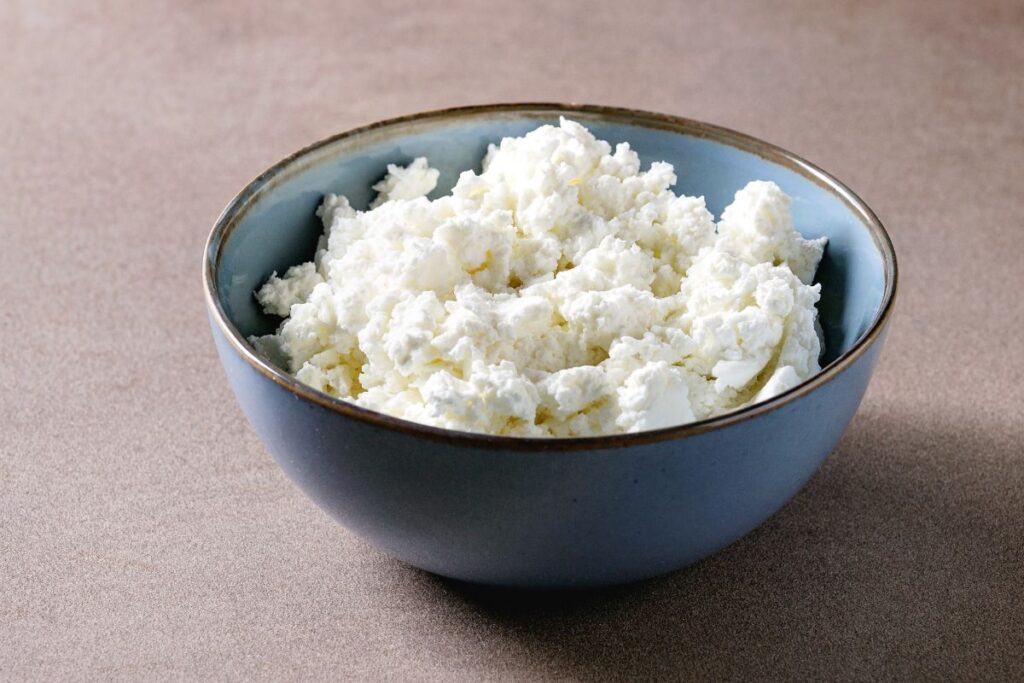
Cottage cheese delivers high-quality protein because it contains all the essential amino acids your body needs to build and repair muscle, support immunity, and support blood sugar balance. Plus, it is incredibly versatile. You can enjoy cottage cheese alone, paired with fruit or vegetables, or added into your favorite recipes. By adding cottage cheese into recipes such as smoothies, pancakes, soups, and even casseroles, you can boost the protein content quickly and easily.
Not all brands of cottage cheese are equal. When choosing cottage cheese, look for a short ingredient list, little to no added sugar, and roughly 12–15 grams of protein per serving, so most of what you’re getting is protein, not fillers. Daisy Brand Cottage Cheese stands out as it is made with only three ingredients (milk, cream, and salt), contains live & active cultures, and has a uniquely wholesome, creamy taste with no fillers or stabilizers. One serving provides an excellent source of protein with 13 grams per ½ cup.
Versatile Cottage Cheese: High Protein Cottage Cheese Cake Pops Recipe

Cottage cheese is one of the easiest ways to boost protein without sacrificing flavor. These no-bake High Protein Cottage Cheese Cake Pops blend simple ingredients into a sweet treat that’s low in added sugar, high in protein, and big in taste!
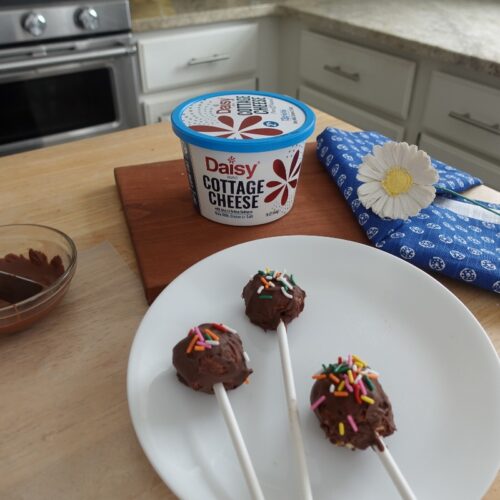
High Protein Cottage Cheese Cake Pops
Equipment
- 1 Bowl
- 2 small bowls
- 5 Paper straws
Ingredients
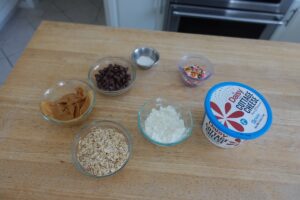
- ½ cup Daisy Brand Cottage Cheese 2%
- ½ cup natural peanut butter, softened
- ½ cup rolled oats
- 1 Tbsp allulose (optional, for added sweetness)
- ¼ cup dark chocolate chips
- Sprinkles, optional
Instructions
- Blend the base. Add the Daisy Cottage Cheese to a blender or food processor and blend until completely smooth and creamy.

- Warm the peanut butter. Microwave the peanut butter for 30–45 seconds, or until easy to stir.
- Make the batter. In a bowl, mix together the blended Daisy Cottage Cheese, peanut butter, rolled oats, and allulose (if using) until fully combined.
- Chill. Refrigerate the mixture for about 1 hour, or until firm enough to shape.
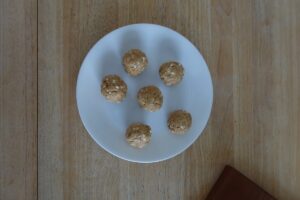
- Form the pops. Once chilled, roll the mixture into 10 equal-sized balls. Insert a paper straw (cut in half) into each ball to create the pop stick.
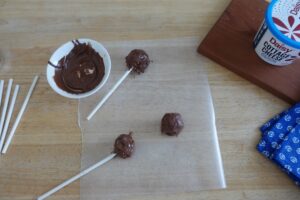
- Melt the chocolate. Microwave the dark chocolate chips in a small bowl in 20–30 second intervals, stirring between each, until smooth.
- Coat & decorate. Dip each pop into the melted chocolate, coating evenly. Add sprinkles if desired.
- Set. Return to the refrigerator for a few minutes until the chocolate hardens.

Nutrition
The bottom line on protein maxxing & cottage cheese

Protein maxxing doesn’t have to mean forcing protein into every bite or chasing viral trends. The real win comes from choosing high-quality protein, spreading it evenly across your day, and making it enjoyable enough to actually stick with consistently. Cottage cheese checks all of those boxes by being convenient, versatile, and effective at supporting muscle, metabolism, blood sugar, and satiety.