The Amazing Health Benefits of Napa Babbage: Everything You Need to Know!
Have you heard the news? 2026 is the year of cabbage & the health benefits of napa cabbage are going to make you want to fill your plate with it.
Crisp, mild, and slightly sweet, napa cabbage is an under-the-radar veggie that delivers far more than its simple appearance suggests. It’s low in calories but rich in vitamin C, folate, vitamin K, fiber, and protective plant compounds that support digestion, heart and metabolic health, and help tame inflammation. Emerging research even links cabbage fibers to better blood sugar balance and weight management, giving this humble vegetable a serious glow-up.

Let’s take a closer look at the health benefits of napa cabbage.
What Is Napa Cabbage?
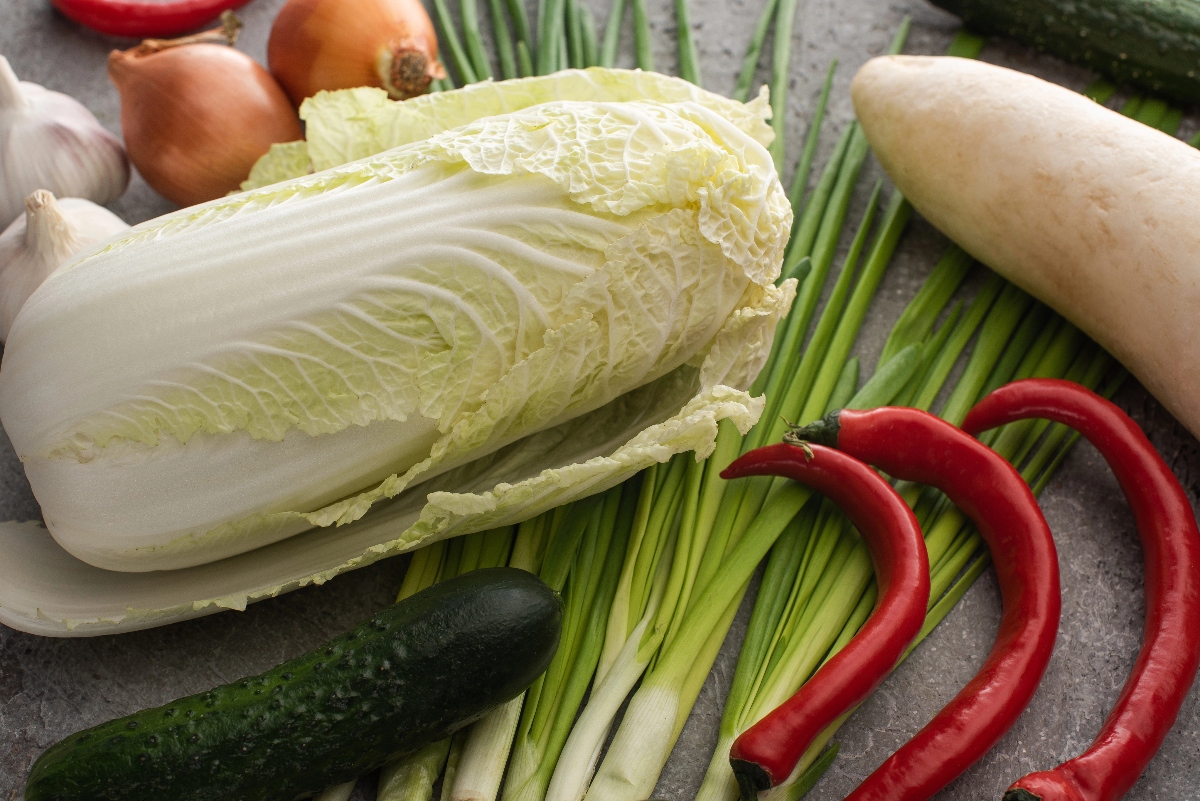
Napa cabbage, also known as Chinese cabbage, looks more like romaine lettuce than the tight, round globes of green or red cabbage, but what sets it apart is its flavor. It’s notably more tender, juicier, and milder, and even slightly sweet, when compared to green and red cabbage. This softer structure means napa cabbage cooks faster and works beautifully in stir-fries, soups, and kimchi, but it is also delicious raw in salads and slaws.
Nutrition Facts of Napa Cabbage
Napa cabbage may look light and delicate, but nutritionally it punches well above its weight. It’s extremely low in calories, high in water, and packed with vitamins and minerals that support digestion, immunity, heart health, and overall metabolic health. This combination is exactly why napa cabbage consistently shows up on lists of the most nutrient-dense vegetables.
Napa Cabbage Nutrition (Per 1 Cup, Raw)
One cup of raw, chopped napa cabbage provides approximately:
- Calories: ~9
- Fiber: ~0.8 g
- Vitamin C: ~30% of the Daily Value
- Vitamin K: ~22% of the Daily Value
- Folate: ~11% of the Daily Value
- Potassium: ~119 mg
- Water content: ~95%
Health Benefits of Napa Cabbage
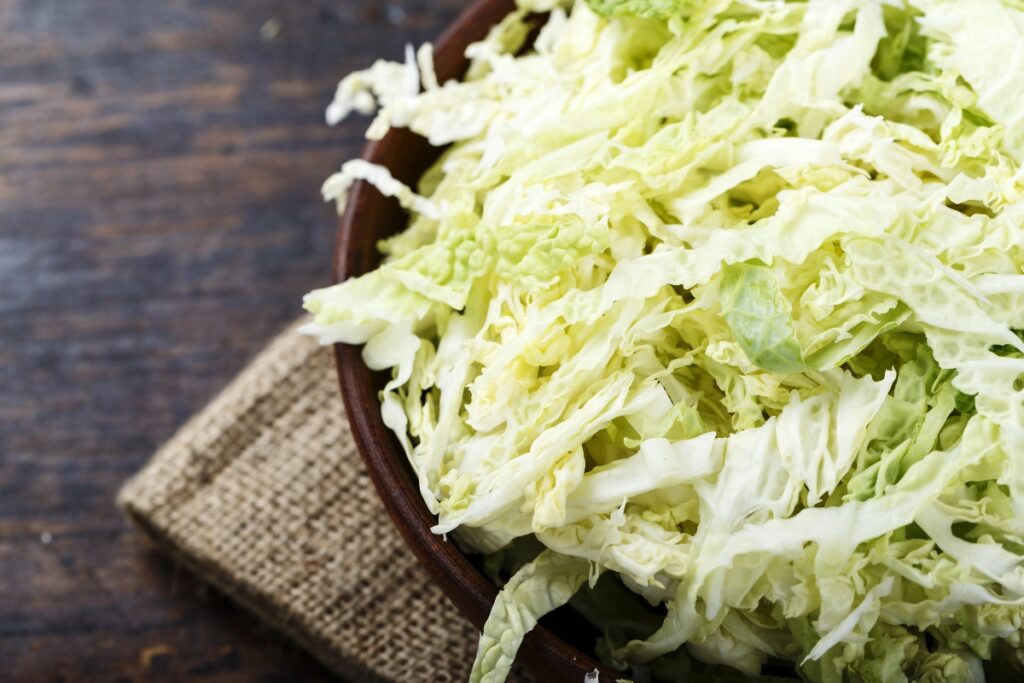
Napa cabbage may look simple, but its health benefits go far beyond crunch and flavor. From gut and heart health to blood sugar and inflammation support, this humble vegetable delivers more than most people expect.
Supports Gut Health and Digestion
Napa cabbage earns its place among fiber-rich vegetables thanks to a mix of soluble and insoluble fiber that helps keep digestion regular and supports comfortable bowel movements. Its prebiotic fibers feed beneficial gut bacteria, helping build a healthier, more diverse microbiome, which is a key factor in overall gut health. When napa cabbage is fermented, as in kimchi, these benefits go even further, with studies showing improved microbial diversity and reduced gut inflammation.
May Support Blood Sugar Balance
As one of the low glycemic vegetables, napa cabbage has minimal impact on blood sugar spikes thanks to its low carbohydrate profile. The fiber slows glucose absorption in the intestines, aiding steady energy levels and making it ideal for diabetes-friendly eating patterns. Emerging data on napa cabbage fibers indicate potential benefits for insulin resistance by improving metabolic responses.
Rich in Antioxidants That Reduce Inflammation
Napa cabbage provides a good source of vitamin C, an antioxidant that helps combat oxidative stress and calm inflammation. It also contains polyphenols and carotenoids from its glucosinolate compounds, which research links to lower chronic inflammation in people who regularly eat cruciferous vegetables. Together, these compounds help protect against the low-grade inflammation tied to many chronic conditions.
Supports Heart Health

Napa cabbage supports heart health on multiple fronts. Its potassium helps counter sodium to support healthy blood pressure, while its soluble fiber binds cholesterol in the gut to promote healthier lipid levels. With very little natural sodium, it’s an easy, heart-smart vegetable to add to meals.
May Support Weight Management
With just 12–16 calories per cup, napa cabbage is a low-calorie vegetable that adds volume without adding many calories. Its high water content (over 90%) plus fiber help you feel full, making it a smart choice for weight-conscious, calorie-controlled eating.
Bone and Immune Health Benefits
Napa cabbage provides vitamin K, which helps bind calcium to bones to support bone strength and reduce fracture risk. It also supplies vitamin C, supporting collagen production and white blood cell function to help strengthen immune defenses.
Is Napa Cabbage Better Than Regular Cabbage?
Napa cabbage and regular green cabbage both belong to the cruciferous family, but they differ in ways that make each suited to specific dishes in the “napa cabbage vs cabbage” debate.
| Feature | Napa Cabbage | Green Cabbage |
| Texture | Tender, juicy, crinkled leaves | Firm, dense, crunchy leaves |
| Nutrients | Lower calories (12 kcal/cup), high water (95%), more folate; similar vitamin C/K | Higher calories (25 kcal/cup), denser fiber/vitamin K; comparable antioxidants |
| Best Uses | Quick stir-fries, kimchi, salads, soups (wilts fast) | Coleslaw, sauerkraut, roasts, stews (holds shape) |
Choose napa cabbage for delicate, fast-cooking Asian-inspired recipes where mild sweetness shines. Opt for green cabbage when you need a sturdy texture that withstands longer cooking or raw crunch in hearty dishes.
Best Ways to Use Napa Cabbage
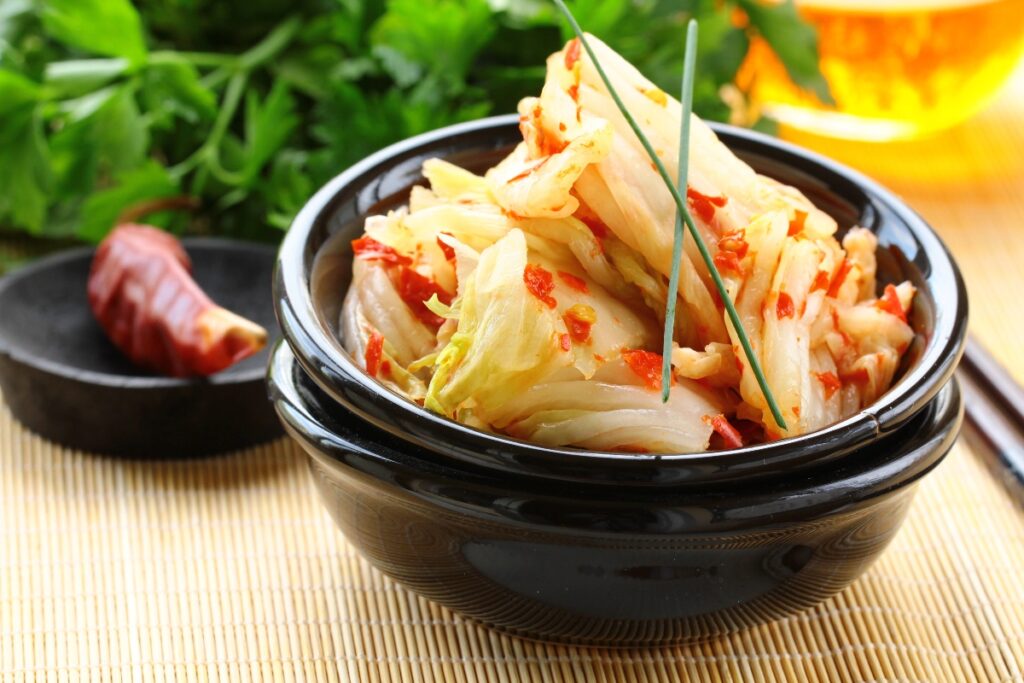
One of napa cabbage’s biggest perks is how versatile and quick it is to use. Enjoy it raw in salads or slaws for a light, crisp crunch, or cook it briefly in stir-fries with garlic and ginger where it turns tender and slightly sweet in minutes. Add it to soups at the end for texture, or ferment it into kimchi to get probiotics along with its natural fiber for an easy gut-friendly boost.
Is Napa Cabbage Safe for Everyone?
Napa cabbage is generally safe and nutritious for most people when eaten in moderation, but certain groups should take precautions due to its cruciferous nature.
Thyroid Considerations
As a cruciferous vegetable, napa cabbage contains goitrogens that can interfere with iodine uptake and thyroid hormone production, particularly when consumed raw in large amounts.
Research shows this risk is higher for those with iodine deficiency, hypothyroidism, or existing thyroid nodules, where excessive intake may contribute to goiter enlargement, though cooking reduces goitrogen activity significantly. Healthy individuals with adequate iodine typically face no issues from moderate portions.
Digestive Sensitivity
The high insoluble fiber content and sulfur compounds found in napa cabbage can cause gas, bloating, or cramping in sensitive guts, especially if eaten raw or in excess, as gut bacteria ferment these elements. Those with IBS or low digestive enzymes may experience symptoms from larger servings beyond one cup of napa cabbage, so keep portion sizes in moderation.
How to Store and Prepare Napa Cabbage
Napa cabbage stays fresh for 1-2 weeks when stored properly in the refrigerator, outlasting many leafy greens due to its sturdy structure.
For the best storing methods, wrap the whole head tightly in plastic wrap or place it in a perforated plastic bag to maintain humidity while allowing air circulation, then store in the crisper drawer at 32-40°F (0-4°C). Avoid sealing it completely airtight, as this traps moisture and speeds wilting. For cut portions, wrap in damp paper towels inside a bag and use within 3-5 days.
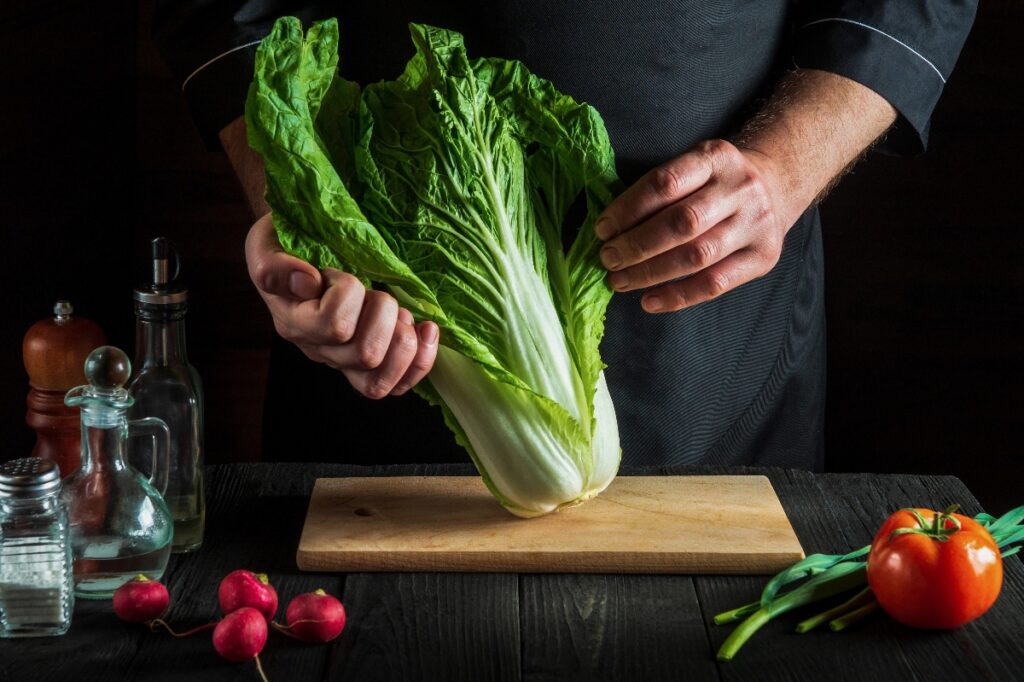
When washing and prepping napa cabbage, rinse the leaves under cool running water, separating them to remove dirt from the folds, then pat dry thoroughly to prevent sogginess. Trim the tough base, discard any wilted outer leaves, and slice or chop as needed and store prepped leaves in a container with a paper towel to absorb excess moisture.
The bottom line on the health benefits of napa cabbage
Napa cabbage may not get “superfood” status, but it absolutely earns a spot on your plate. It supports gut health and blood sugar balance thanks to its fiber, delivers antioxidants that help rein in inflammation, and contributes to heart, bone, and immune health, all for very few calories. It’s also one of the easiest vegetables to use: shred it into salads, toss it into quick stir-fries or soups, or enjoy it fermented as kimchi for an effortless nutrition upgrade.
Affordable, versatile, and surprisingly nutrient-dense, napa cabbage proves you don’t need pricey superfoods to eat well.