What Are the Benefits of a Weighted Vest?
What if your regular walk, quick workout, or even everyday movement could do more—without adding time or gym equipment? That’s where weighted vests come in. By adding light, external resistance to what you’re already doing, they can offer a variety of benefits without adding more time into your day. Let’s take a deeper look at how they work, the benefits, and how to choose the right vest for your own goals.
What Is a Weighted Vest?
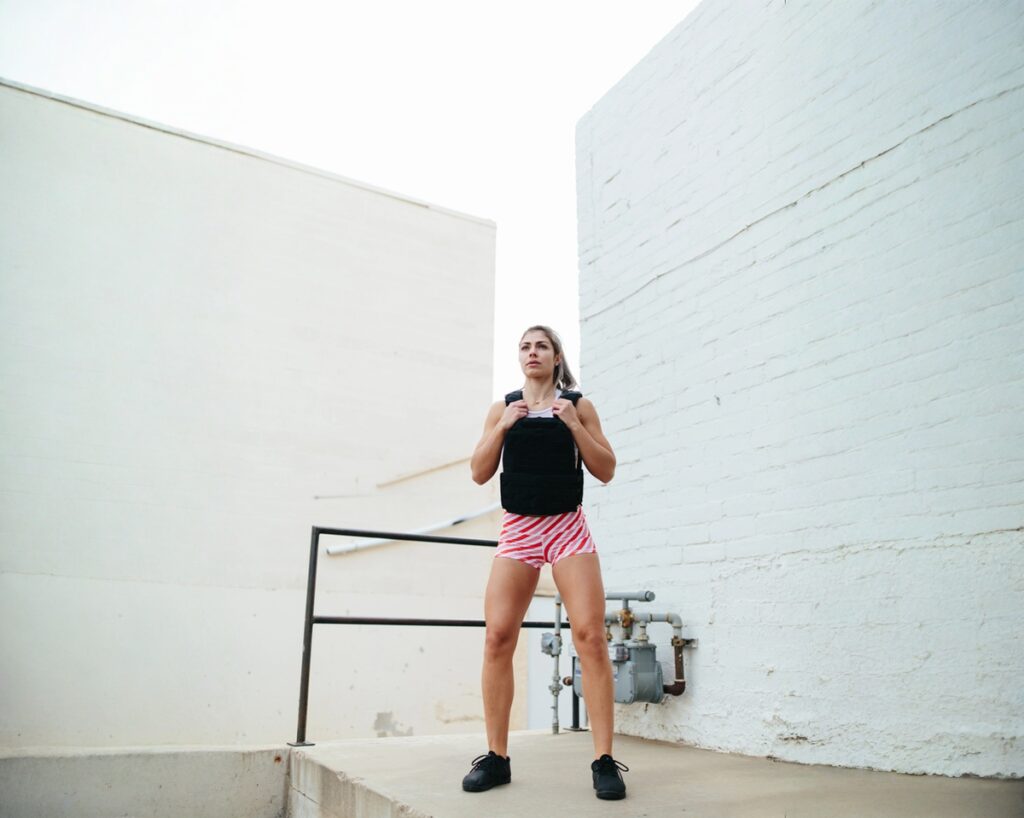
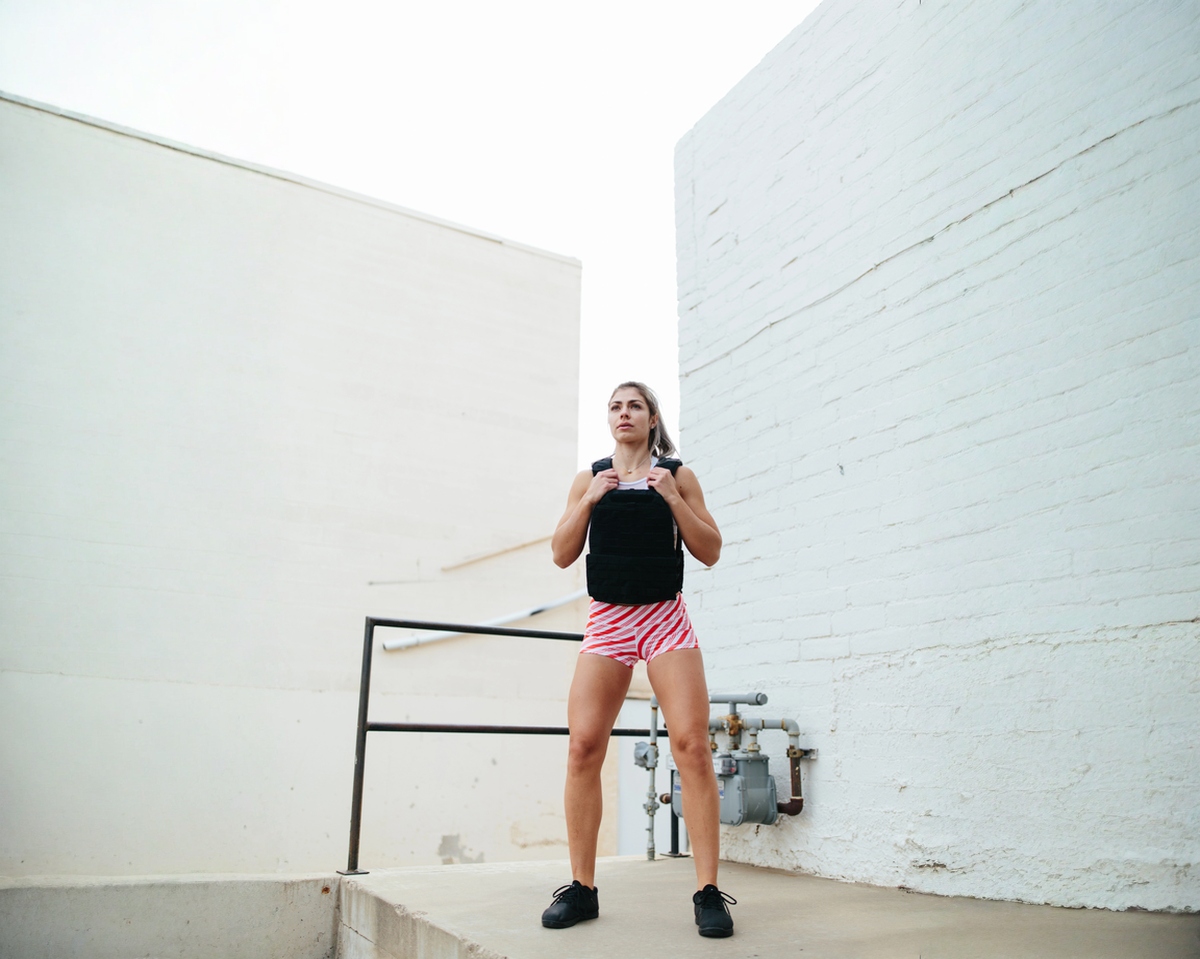
Think of a weighted vest as a simple way to make everyday movement work harder for you. It’s a wearable vest with built-in or adjustable weight that sits close to your body, so your hands stay free and your movement stays natural. That’s exactly why it’s become so popular for walking, running, and bodyweight workouts, especially for people who want more results without jumping, pounding, or hauling bulky equipment around.
Adding a small amount of extra weight gently challenges your muscles and bones, increasing energy burn and strength demands during things you already do, like walking the dog, climbing stairs, or squeezing in a quick home workout. In other words, you get more benefit from the same routine. And because the weight is evenly distributed, these vests are a comfortable way to maximize your daily movement.
Benefits of a Weighted Vest
So what’s the real reason weighted vests are becoming so popular? Being able to amplify the results of your workout, or even daily movement, without having to do anything extra is the main appeal. That’s because the biggest advantage of a weighted vest is that it quietly amplifies what you’re already doing. By adding external load to everyday movement and simple workouts, it increases the physical demand without requiring longer sessions, higher impact, or more complex equipment. Here’s how that added weight translates into real, research-backed benefits.
Boosts Calorie Burn with Low Impact
Adding extra load increases the energy cost of movement because your muscles have to work harder to do the same activity at the same pace, even during low-impact tasks like walking or household chores. For busy schedules, a weighted vest can boost daily calorie burn during things you’re already doing, without needing extra workouts.
Improves strength and muscle endurance
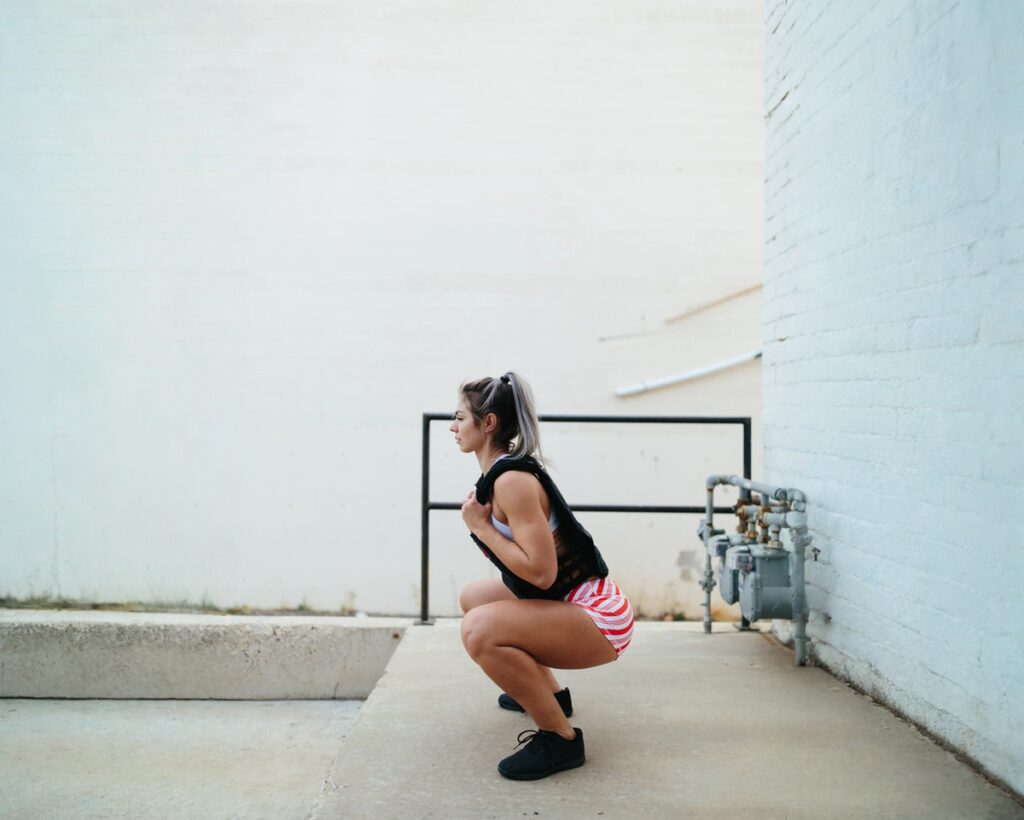
When you add a little extra load to bodyweight moves like squats, lunges, step-ups, rows, and push-ups, your muscles are challenged in a way that helps them get stronger and more resilient. A weighted vest makes it easy to keep progressing at home so you can level up full-body exercises without buying heavier weights or filling your space with bulky equipment.
Supports bone health
As a dietitian and personal trainer, one of my top reasons to recommend a weighted vest for women is for the bone health benefits it can offer. Bones respond to load, which is why weight-bearing and resistance exercise play such a key role in slowing age-related bone loss, especially for women in midlife and beyond. Research shows that adding external load, including weighted vests, can help support bone density and leg strength, lowering fracture and disability risk. Because a vest naturally loads the spine, hips, and legs during walking or simple strength moves, it’s an easy, practical way to support bone health every day.
Enhances balance and stability
Research suggests weighted vests can improve posture, perceived stability, and confidence during walking and stairs, helping reinforce strong, functional movement patterns in everyday life. This is because adding load slightly shifts your center of mass, which encourages core engagement and challenges your stability.
Can improve cardiovascular fitness
Adding external load during walking or treadmill sessions raises heart rate and oxygen demand at the same speed, turning an easy workout into a more moderate one. For people who can’t tolerate running or jumping, a weighted vest makes brisk walking or incline work more cardio-challenging without the same joint impact.
Helps maintain lean mass during weight loss
During weight loss, some lean muscle is often lost unless resistance training and adequate protein are in place. A weighted vest helps turn simple bodyweight moves into effective resistance training at home, supporting strength and lean mass when gym equipment isn’t available.
How to Choose the Right Weighted Vest
Not all weighted vests are created equal and choosing the right one matters just as much as how you use it. The goal is to add enough resistance to challenge your body without overloading joints, altering posture, or turning a helpful tool into an injury risk. These key factors can help you select a vest that supports safe, effective progress.
Weight range
Most expert guidelines and research suggest beginners start with about 4–10% of body weight, allowing joints and soft tissues time to adapt without excessive strain. For many people, starting closer to 5% and progressing slowly is safer, with upper limits for general fitness often cited around 15–20% of body weight rather than chasing the heaviest possible load. Adjustable vests make this process easier by allowing small weight changes, which supports progressive overload and lets you tailor intensity to different workouts more effectively than fixed-weight models.
Fit and comfort
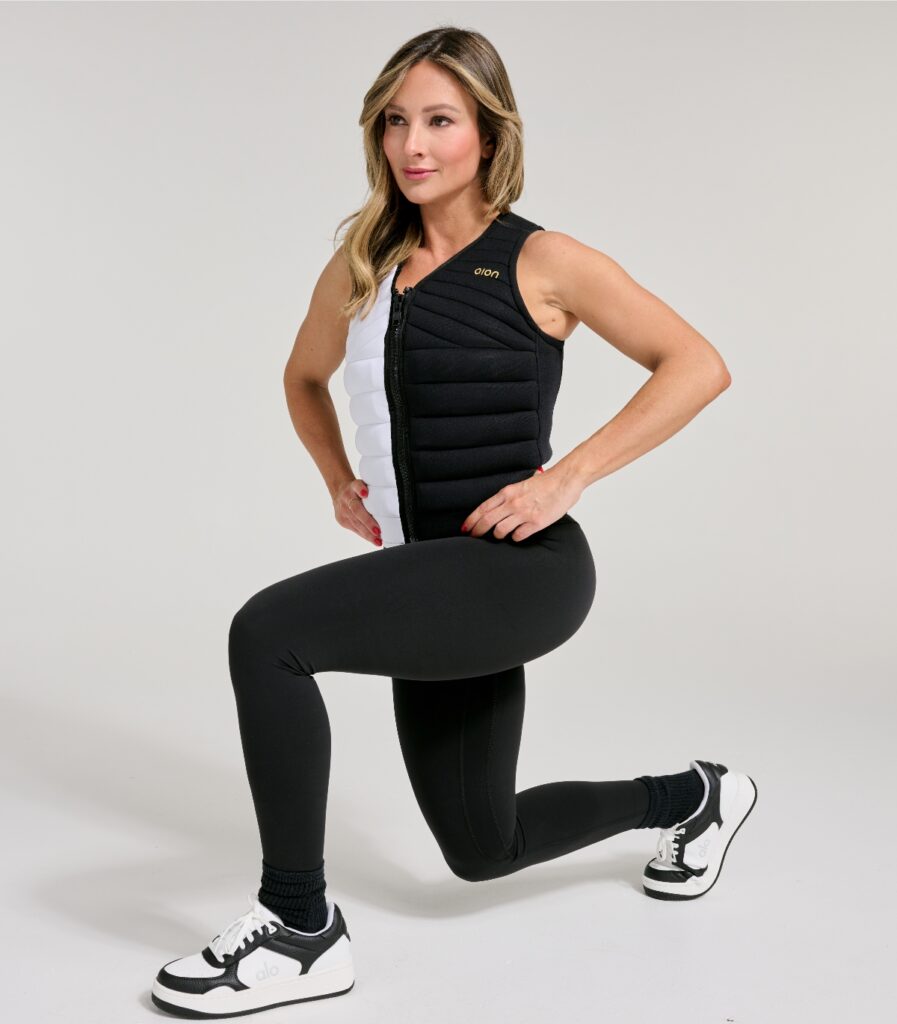
A well-designed vest distributes weight evenly across the front and back of the torso so it does not pull the shoulders forward or shift excessively during movement. Look for breathable materials, secure closures, and side or shoulder straps that can be held down to reduce bounce while still allowing full chest expansion for breathing. Women and smaller-framed users may benefit from more contoured designs that avoid neck pressure and allow comfortable arm swing.
A great brand to try is Aion brand which offers weighted vests for both beginners and seasoned exercisers. Aion stands out for the tailored, snug fit and compressive component.
Type of movement
How you plan to use the vest should guide your choice. For walking and hiking, a streamlined vest with a moderate load and minimal bulk is typically sufficient and more comfortable for longer sessions. For HIIT or plyometric training, a very secure, close-fitting vest that does not shift during jumping is key, often at lower loads to protect the joints. Those focused on strength training may prefer higher-capacity, highly adjustable vests that allow gradual progression for squats, lunges, and upper-body exercises over time.
Safety considerations
To reduce injury risk, increase load gradually, monitor posture, and watch for changes such as excessive forward lean or arching. In general, it is recommended to stay within 5–10% of your own body weight for general fitness and reducing or pausing vest use if pain, numbness, or form breakdown occurs. It’s also advised to avoid wearing heavy vests for very prolonged periods outside of training sessions to limit unnecessary joint and spinal stress.
Who Should (and Shouldn’t) Use a Weighted Vest?
Weighted vests can be a powerful tool, but they aren’t a one-size-fits-all solution. Knowing who is most likely to benefit, and who should approach them carefully or skip them altogether, helps ensure the added load supports progress rather than creating setbacks.
Good candidates
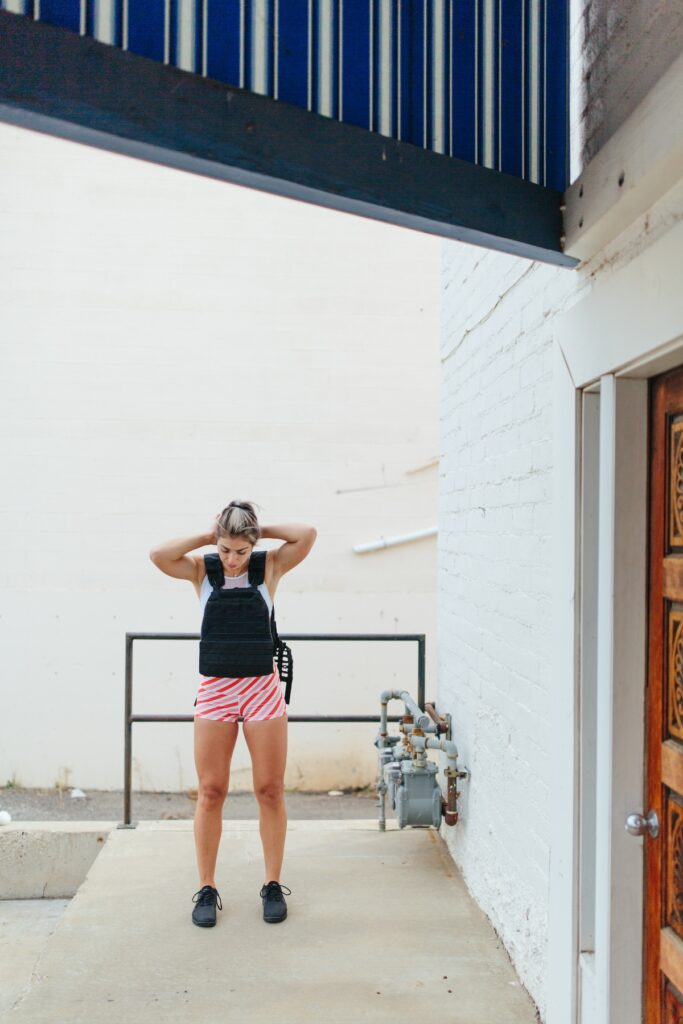
Weighted vests can be well suited for adults who want to increase workout intensity without adding high-impact activities like jumping or running. They are especially appealing for walkers, hikers, and people doing bodyweight or functional training who want to build strength, support bone density, and increase calorie burn when time is limited.
Use with caution or avoid
While weighted vests can be a great tool, they aren’t a fit for everyone. If you’re dealing with a current or recent back, neck, or significant joint injury, the added load can place extra stress on already sensitive areas and potentially worsen symptoms. The same goes for people with balance challenges, more severe orthopedic limitations, or those who are brand new to exercise. Building a solid foundation of strength, stability, and movement confidence first is often the smarter approach. For most recreational exercisers, very heavy vests or jumping too quickly to higher loads isn’t necessary and can do more harm than good.
When to consult a healthcare provider
If you have any medical conditions, consult your healthcare professional first before using a weighted vest. Medical clearance is especially important for people who are pregnant, have known osteoporosis or a high fracture risk, or live with chronic conditions such as cardiovascular disease or advanced arthritis. A healthcare provider or physical therapist can help individualize load levels, movement choices, and progression plans so added resistance supports, rather than undermines, long-term health goals.
Practical Tips for Getting Started
When it comes to weighted vests, more is not better, especially at the beginning. A gradual, intentional approach helps your body adapt to added load while reducing the risk of soreness, joint irritation, or overuse injuries.
When you first begin using a weighted vest, start with short sessions, such as 10–20 minutes of walking or a brief circuit, using a light vest. From there, either duration or load can be increased gradually over the course of several weeks. Early on, it’s best to reserve the vest for specific workouts rather than wearing it all day, which gives joints, muscles, and connective tissues adequate time to recover between sessions. Pairing a weighted vest with functional movements like squats, step-ups, and push-ups provides a strong return on time by training multiple muscle groups and movement patterns simultaneously.
The Bottom Line on Weighted Vests
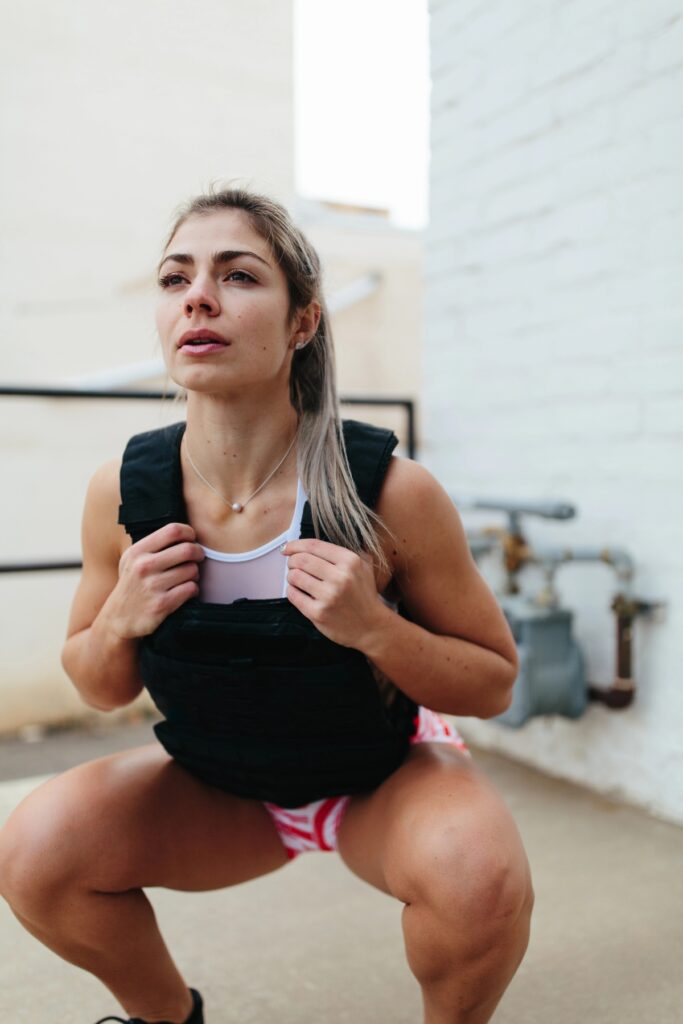
Weighted vests are a simple, practical way to make the movement you’re already doing, whether that’s walking, home workouts, or gym sessions, more effective by adding just enough resistance. When the load is matched to your body, goals, and health history, even small increases can add up to meaningful improvements in strength, bone, and muscle health. For many adults, it’s a low-tech tool with a big payoff, helping everyday exercise actually deliver results.