
Are Lentils Gluten Free? What You Need to Know Before Adding Them to a Gluten-Free Diet
If you eat gluten free, lentils can feel like one of those “too good to be true” foods. They’re inexpensive, packed with fiber and protein, and incredibly blood-sugar friendly. But if you’ve ever wondered whether lentils are truly safe for celiac disease or gluten sensitivity, you’re asking the right question.

Here’s the short answer: lentils are naturally gluten free, but they’re also at higher risk for gluten cross contact than many people realize. With the right sourcing and preparation, lentils can absolutely fit into a gluten-free, blood-sugar-supportive eating pattern. The details matter.
Are Lentils Naturally Gluten Free?
Lentils are legumes, not grains, and they do not contain the gluten proteins found in wheat, barley, or rye. Multiple expert and clinical sources confirm that lentils are inherently gluten free from a biological standpoint and appropriate for gluten-free diets when cross contact is properly controlled.
For individuals with:
- Celiac disease
- Non-celiac gluten sensitivity
- Wheat allergy
plain lentils — without added gluten-containing ingredients — are considered naturally gluten free.
So why all the confusion?
The Big Caveat: Gluten Cross Contact
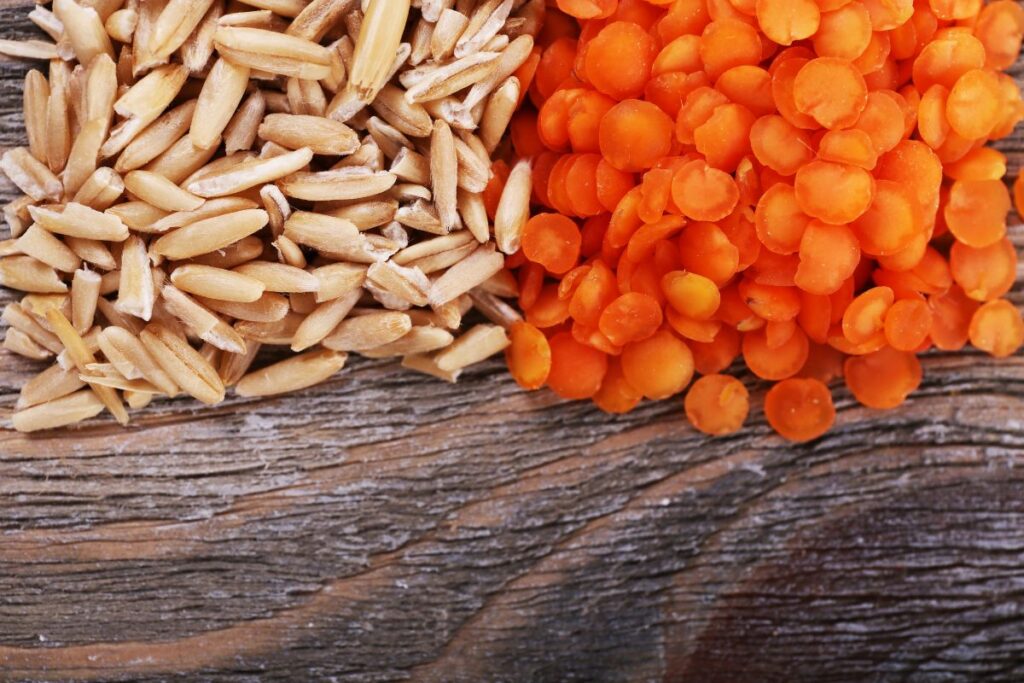
While lentils themselves don’t contain gluten, they are at heightened risk for gluten contamination during farming, harvesting, storage, and processing similar to oats.
Newer research highlights this concern. In a 2021 survey analyzing 25 bags of dry lentils, researchers found errant gluten-containing grains (such as wheat or barley) in several products. Some tested well above the 20 parts per million (ppm) threshold allowed for gluten-free.
This matters because even one stray kernel of wheat or barley in a serving of cooked lentils can deliver close to the 10 mg daily gluten limit considered tolerable for most people with celiac disease.
Because of this risk, experts recommend practical safeguards, including:
- Purchasing lentils labeled “certified gluten free” when possible
- Hand-sorting dry lentils to remove any foreign grains
- Rinsing lentils thoroughly in a fine-mesh colander to wash away grain dust before cooking.
These simple steps can significantly reduce risk.
Gluten-Free Labeling, Purity Protocols, and Safer Choices
Regulators allow foods containing less than 20 ppm gluten to carry a “gluten free” claim. Lentils can meet this standard, but only when cross contact is carefully managed.
Recent industry and advocacy reports point to growing interest in “purity protocol” lentils, which are grown, harvested, and processed under strict controls to minimize gluten exposure similar to purity protocol oats.

If you’re highly sensitive to trace gluten, safer strategies include:
- Choosing third-party certified gluten-free lentils
- Avoiding bulk-bin lentils, which are more prone to cross contact
- Checking packages for advisory statements like “may contain wheat”
For many people with celiac disease, these extra steps can make the difference between a food that’s nourishing and one that causes symptoms.
Why Lentils Shine for Blood Sugar and Metabolic Health
Beyond the gluten question, lentils offer impressive nutrition benefits, especially for blood sugar management.
Lentils provide plant protein, slow-digesting carbohydrates, and substantial fiber, which work together to promote fullness, stabilize blood sugar, and support cardiometabolic health. Human feeding studies consistently classify lentils as a low glycemic index (GI) food, with values ranging from about 18–36. One controlled trial reported a GI of 27, along with significantly lower post-meal glucose and insulin responses compared with refined starchy foods.
Research suggests that:
- Lentils blunt post-meal glucose and insulin spikes compared with bread and other high-GI starches.
- A serving of roughly 110 g cooked lentils may reduce postprandial blood glucose by about 20%, likely due to their fiber, protein, and resistant starch content.
This makes lentils particularly relevant for anyone managing insulin resistance, prediabetes, or type 2 diabetes while following a gluten-free diet.
Digestive Tolerance: IBS, FODMAPs, and New Research
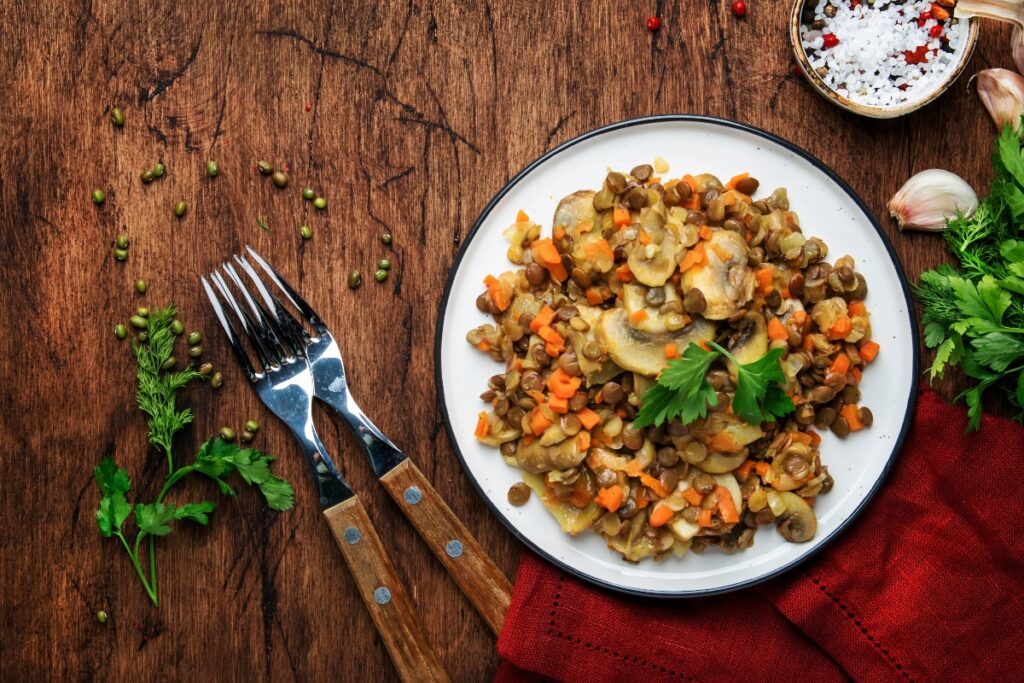
One important caveat: lentils are naturally higher in FODMAPs, which can trigger gas, bloating, or diarrhea in some people with irritable bowel syndrome (IBS).
Low-FODMAP clinical guidance often limits portion sizes of traditional cooked lentils. However, it also notes that small portions of canned lentils may be better tolerated because some FODMAPs leach into the canning liquid.
Interestingly, emerging product research shows that lentil protein isolate, used in certain plant-based yogurt alternatives, can be very low in FODMAPs. These products may be suitable for IBS patients following a low-FODMAP protocol, highlighting how processing method and portion size dramatically affect tolerance.
The Bottom Line
Lentils are naturally gluten free, but not always gluten-safe by default. For people with celiac disease or gluten sensitivity, how lentils are sourced, handled, and prepared matters.
When chosen carefully, lentils can be a nutrient-dense, low-glycemic, blood-sugar-friendly staple that fits beautifully into a gluten-free eating pattern — with benefits that extend far beyond avoiding gluten.