Is the Feel Free Drink Addictive? An Evidence-Based Look at This Popular Kratom and Kava Drink
A new beverage called the Feel Free drink has been popping up everywhere—from gas stations to convenience stores—touted as a “plant-based tonic” to lift your mood and boost productivity. But despite the wellness buzz, it’s important to know that Feel Free contains kratom and kava, two ingredients that come with real safety concerns and potential addiction risks.
Let’s take a closer look at the Feel Free drink and the potential health risks.
What Exactly Is the Feel Free drink?
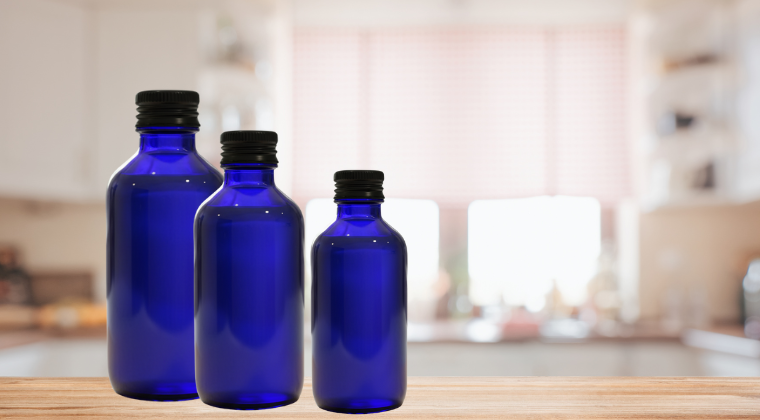
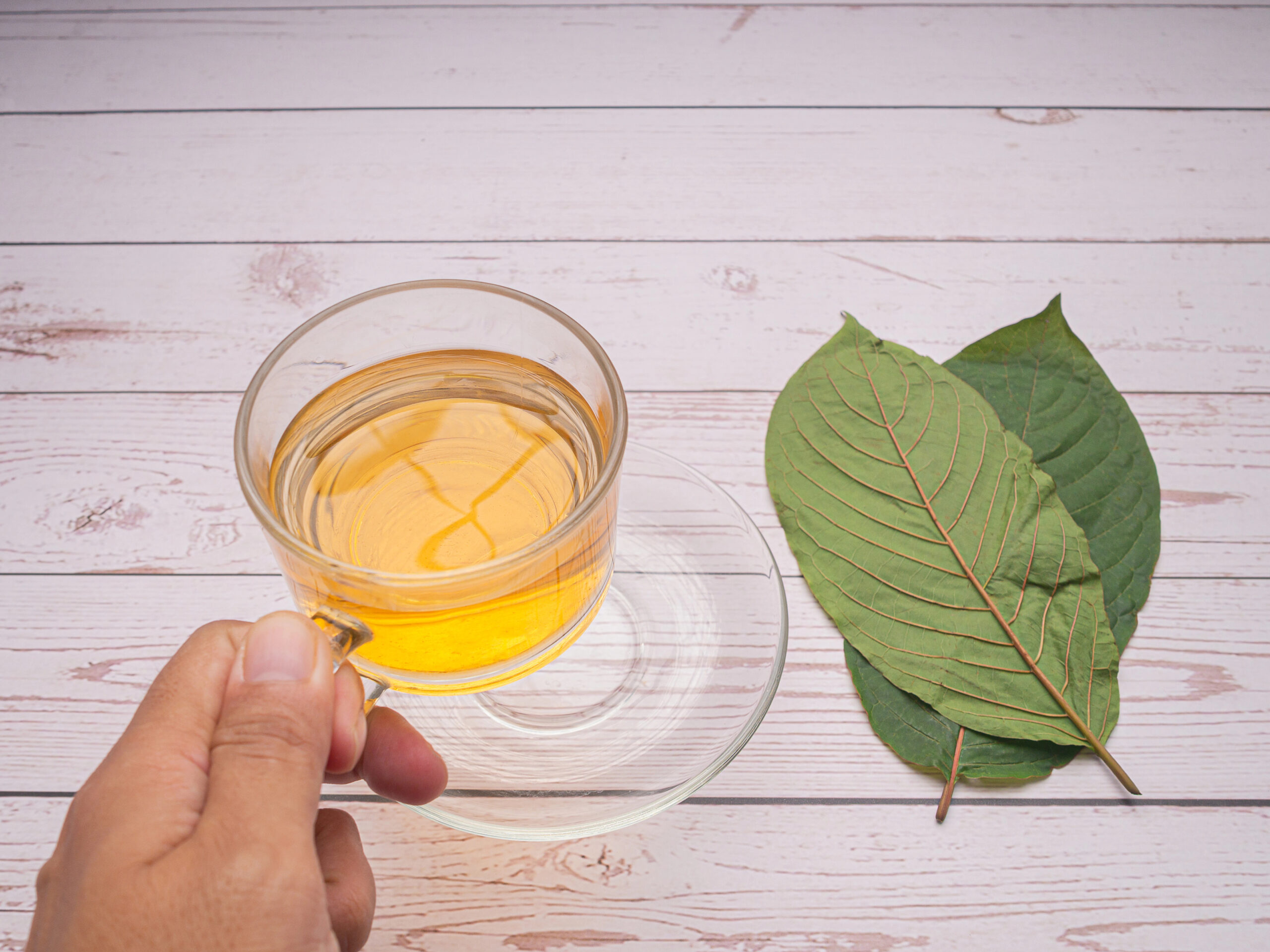
The Feel Free drink is a herbal beverage sold in small blue bottles by Botanic Tonics. Its two main ingredients are kratom and kava—plants that have been used for centuries in Southeast Asia and the South Pacific. Kratom can act like a stimulant in small amounts, but in higher doses it behaves more like an opioid, causing sedation and even euphoria. Kava, on the other hand, is best known for its calming, stress-relieving effects.
When combined, these ingredients may create feelings of relaxation, euphoria, or sharper focus. But while the effects can sound appealing, they also carry risks—especially if the drink is used regularly.
Why Is the Feel Free drink Potentially Addictive?
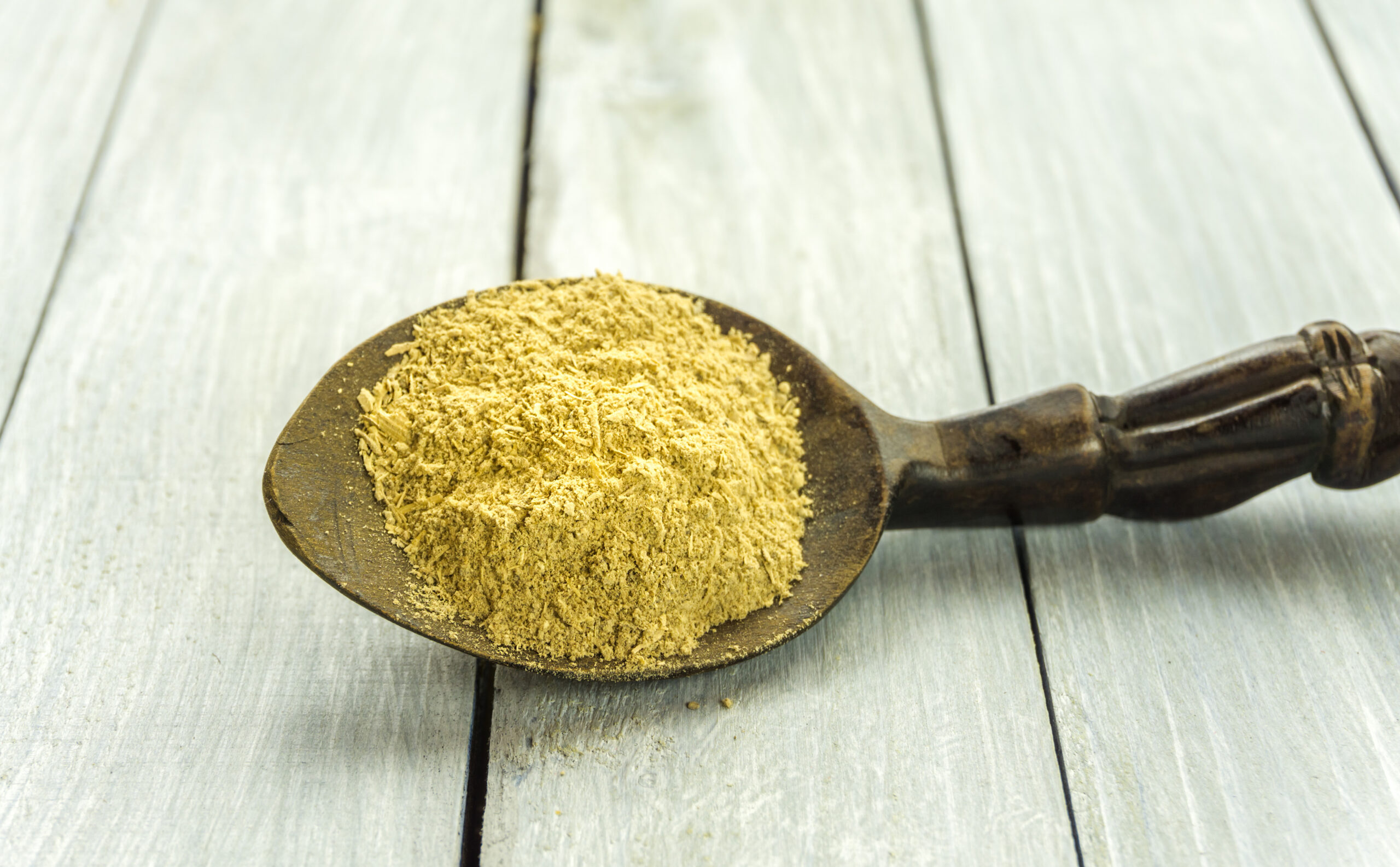
Kratom’s opioid-like effects are what make it so addictive. It binds to the brain’s mu-opioid receptors, which can quickly lead to tolerance (needing more for the same effect), physical dependence, and uncomfortable withdrawal symptoms like anxiety, irritability, nausea, and trouble sleeping.
Kava, while not considered addictive in the same way, isn’t risk-free either. Long-term or heavy use—especially when combined with alcohol or other substances—has been linked to liver damage.
With the Feel Free drink, some people report needing multiple bottles a day just to keep fatigue and irritability at bay—a red flag that looks a lot like patterns seen with substance use disorders.

Regulatory and Safety Concerns of the Feel Free drink
Although the Feel Free drink is marketed as a “natural wellness” drink, it’s important to know that neither kratom nor kava are regulated by the FDA when used in supplements or beverages. That means their safety—especially when combined and taken at the levels found in this drink—hasn’t been well studied. In fact, kratom is banned in several countries and some U.S. states because of its health risks, and many products carry warning labels noting the potential for dependence.
A 2024 clinical trial looking at a kratom-kava liquid blend reported short-term side effects like nausea, headaches, and fatigue. While the study didn’t show major changes in liver or kidney function over six days, the long-term effects and the risk of withdrawal are still unclear—and that’s where caution is needed.
Safer Alternatives to the Feel Free drink
If you’re looking for safer alternatives to the Feel Free drink, there are a number of botanicals and supplements that can support relaxation, ease anxiety, or boost energy without the higher risks. CBD, for example, comes from hemp and is well-studied for its calming effects on stress, anxiety, and even pain—without the addictive, opioid-like concerns linked to kratom. Kava, another main ingredient in Feel Free, can also be used on its own in moderate amounts as a natural stress-reliever with a long history of traditional use and better safety data when consumed appropriately.
Other plant-based options, like kanna, akuamma seeds, and adaptogens such as ashwagandha or rhodiola, can help balance mood and provide gentle energy without the withdrawal risks tied to kratom. No matter what you choose, it’s important to stick with reputable, lab-tested products and start with a low dose to make sure they’re both safe and effective for your needs.
The Bottom Line on the dangers of the Feel Free drink
At first glance, Feel Free might look like just another wellness or energy drink, but the mix of kratom and kava comes with real risks. For anyone dealing with stress, anxiety, or a history of substance use, those short-term feelings of calm or focus may not be worth the potential downsides—like addiction, withdrawal, or even organ damage.
If you ever find yourself worried about dependence or negative effects from products like Feel Free, the safest step is to reach out to a healthcare professional. In some cases, a medically supervised detox program may be needed to help you safely move away from use.