
5 Facts You Need to Know about Low & No Calorie Sweeteners: The Truth About Sweeteners with the Lowest Glycemic Index

Many individuals turn to low and no-calorie sweeteners (LNCS) as a popular sugar alternative, especially for those managing diabetes or trying to reduce their sugar intake. These sweeteners with the lowest glycemic index often have little impact on blood sugar levels, making them an appealing choice. But some consumers wonder if low & no calorie sweeteners are truly a better choice than traditional sugar.
With conflicting information and misconceptions about these sweeteners popping up in the news daily, I wanted to dive into the science behind LNCS and share five facts that will help you make informed decisions about incorporating them into your diet.
This blog has been sponsored by Tate & Lyle. As always, all opinions are my own.
Fact #1: Low and no calorie sweeteners do not increase the desire for sweets
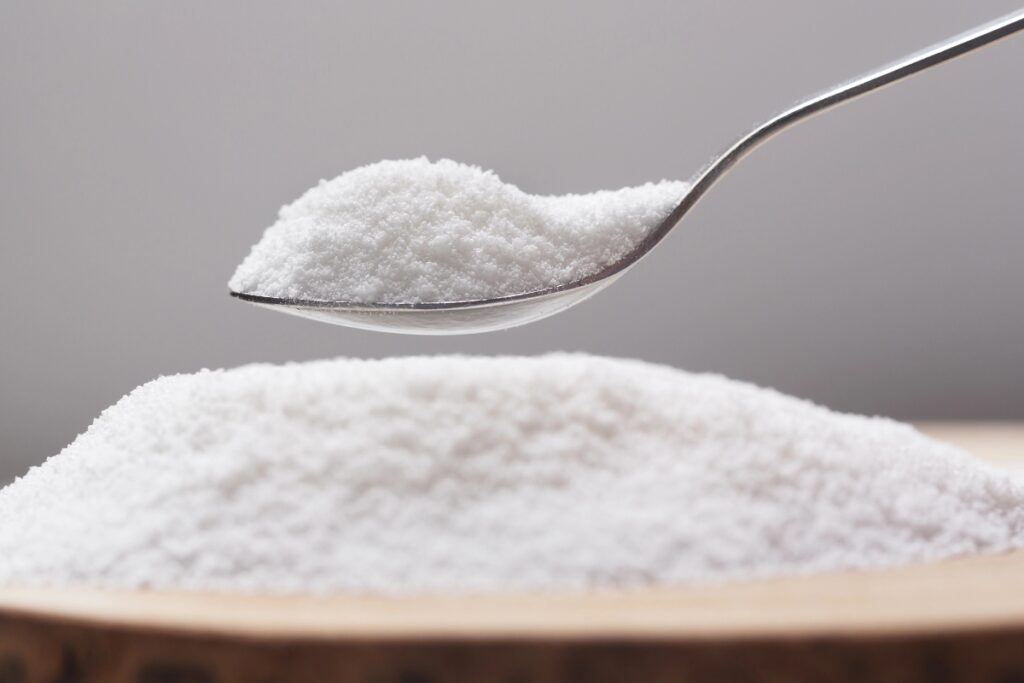
I often get asked by my clients ‘Will sweeteners with the lowest glycemic index make me crave more sweets?’ Unlike added sugars which provide a sweet taste but also cause a rise in insulin and blood glucose levels, low and no calorie sweeteners have a minimal impact on blood sugar. This in turn allows them to have little impact on appetite and cravings.
The concept that a sweet taste will increase your desire for sweets is actually not supported by the balance of available research findings. Results from human research studies show short exposure to sweets can reduce the subsequent liking and desire for sweet taste, meaning that sweet taste can curb your cravings, not cause them.
Fact #2: Low and no calorie sweeteners are safe for consumption

When low and no calorie sweeteners are discussed as an alternative to traditional sugar, often the question of safety comes up. However, reducing added sugars from the diet is one of the most impactful changes you can make to long term health and LNCS can be a great way to help you reduce the amount of added sugar in your diet.
Low and no calorie sweeteners have been extensively studied and are considered safe and approved for use in food by many regulatory agencies globally, including the FDA and EFSA, as well as by the UN’s World Health Organization and Food and Agriculture Organization. These sweeteners have undergone rigorous safety evaluations and continue to be monitored for their effects on health.
LNCS are approved to be consumed within the Acceptable Daily Intakes (ADIs) which is a conservative measure of the amount of a specific substance in food or drink that can ingested daily over a lifetime without an appreciable health risk. Current levels of consumption, even for high users, are within established safety margins.
Fact #3: Low and no calorie sweeteners impact on gut health are specific to each sweetener
There have been many questions on the impact of sweeteners with the lowest glycemic index and their impact on the gut microbiome. However, the impact of low and no-calorie sweeteners on gut health is a nuanced topic that requires individual consideration for each sweetener.
Recent scientific studies have revealed that these effects are highly specific and cannot be generalized across all sweeteners. For instance, research has shown that stevia, a popular natural sweetener, may actually promote the growth of beneficial gut bacteria. This finding suggests a potential prebiotic effect. In contrast, sucralose, another widely used artificial sweetener, has been found to have no significant impact on the gut microbiota in most studies.
These varying outcomes underscore the importance of examining each sweetener separately when considering its effects on digestive health. As our understanding of the gut microbiome continues to evolve, ongoing research in this area will likely provide more detailed insights into how different sweeteners interact with our digestive systems.
Fact #4: LCNS are beneficial to diabetes management
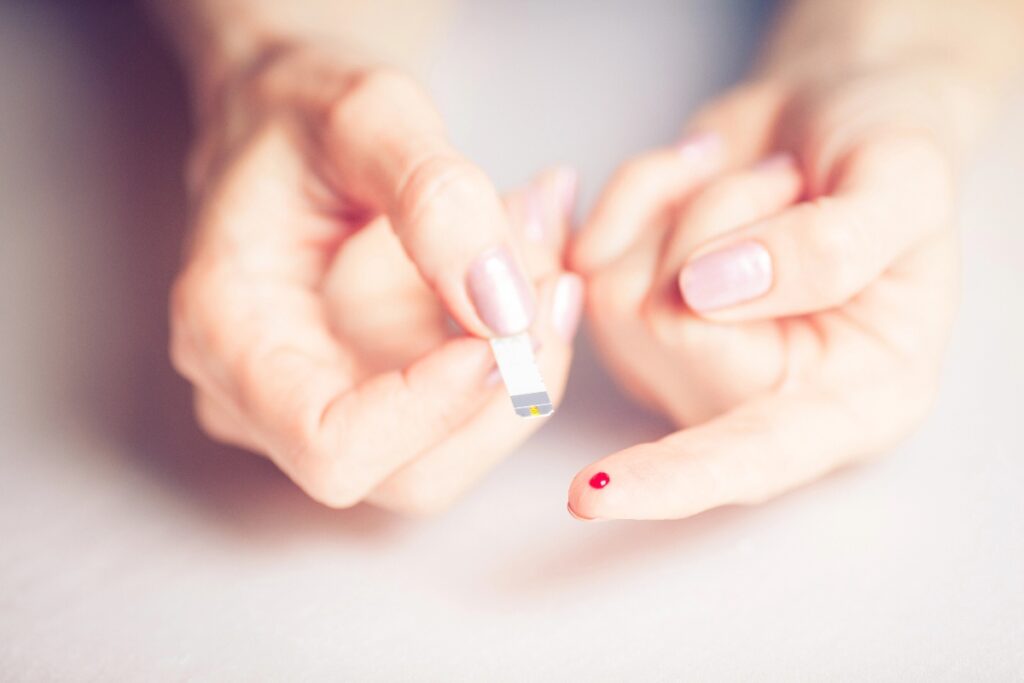
Swapping out added sugars in the diet with sweeteners with the lowest glycemic index can be a beneficial way to improve blood sugar management and insulin resistance. In fact, scientific evidence has shown managing glycemic response is a well-established benefit of low and no calorie sweeteners.
Using LCNS has been recommended as a sugar replacement for people living with diabetes to help improve glucose control by specialist professional associations worldwide including the American Diabetes Association and World Health Organization.
Fact #5 Swapping out added sugar for LNCS is simple

If you are considering making the switch from added sugars to low or no calorie sweeteners, there are many easy ways to do so:
- When baking, use LNCS that allow you to replace added sugar in a 1:1 swap such as allulose.
- When sweetening a beverage, such a tea, you can use a number of sweeteners with the lowest glycemic index, such as monk fruit, sucralose, or stevia.
- You can even swap out foods and condiments that are traditionally high in added sugar for homemade versions made with low and no calorie sweeteners. For instance, you can enjoy a delicious homemade salad dressing with olive oil, vinegar, and a pinch of stevia. Or make your own versions of barbeque sauce and ketchup using allulose instead of sugar. The options are endless!
The benefits of sweeteners with the lowest glycemic Index

Low and no-calorie sweeteners offer a viable alternative to added sugars, especially for those managing their weight, blood sugar levels, or overall health. From their minimal impact on cravings to their positive role in diabetes management, these sweeteners can be a valuable tool in reducing added sugar intake without sacrificing taste.
As with any dietary change, it’s important to make informed decisions based on scientific evidence and personal health goals. By understanding the facts about LNCS, you can confidently incorporate these sweeteners into your diet as part of a balanced and health-conscious lifestyle.
Remember, small changes, like swapping added sugars for LNCS, can lead to significant improvements in your overall health and well-being.